
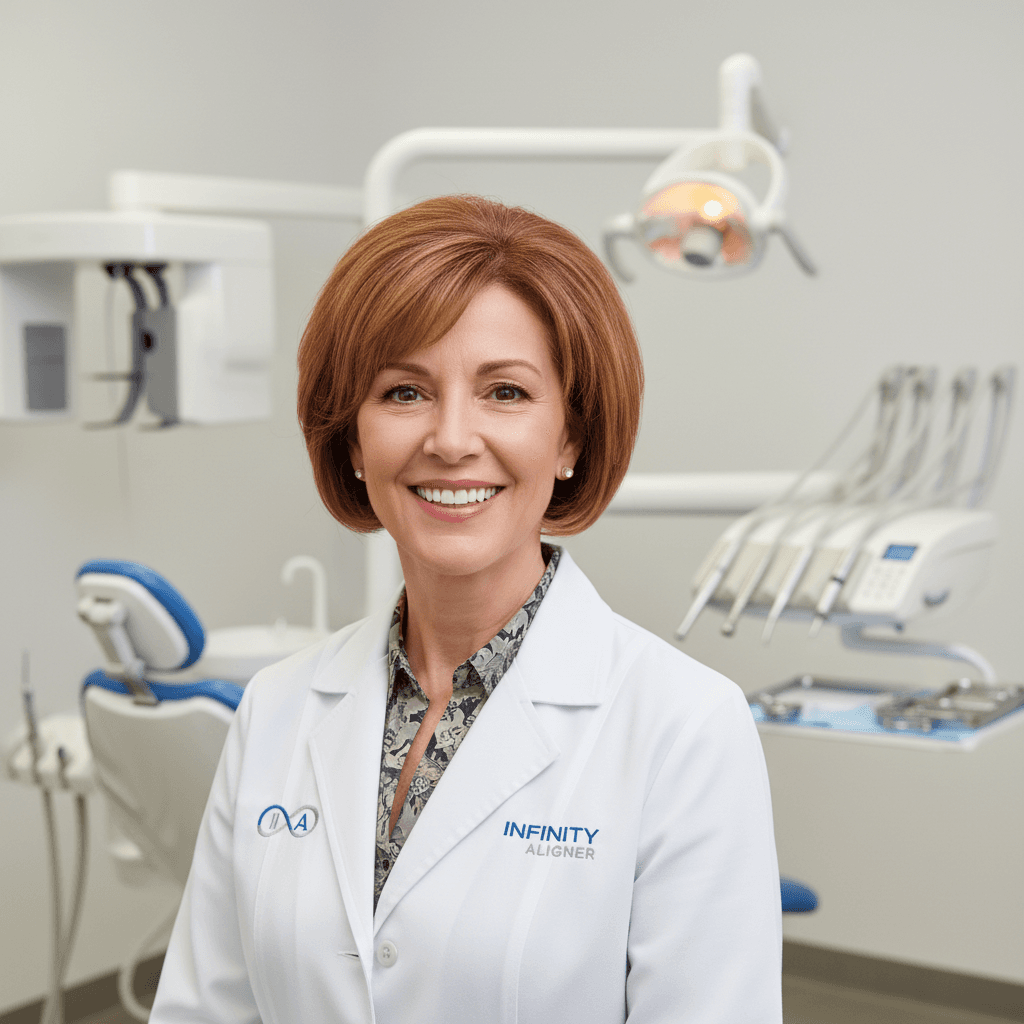
If you've ever had a dental impression, you remember the tray full of putty, the gagging, and the minutes of waiting for it to set. For clear aligners, most practices now use a digital intraoral scanner instead. Here's what that appointment actually involves.
What an intraoral scanner is
It's a handheld wand, a little larger than an electric toothbrush, connected to a computer. As it glides over your teeth, it captures thousands of images per second and stitches them into a 3D model on screen. Your provider can rotate and zoom that model with you in the room.
What the scan feels like
- Nothing touches your teeth except the tip of the wand gliding along them.
- There's no putty, no taste and no waiting for material to set.
- You can pause, swallow and close your mouth at any time — the scanner picks up where it left off.
- The tip may feel slightly warm; that's normal.
How long it takes
A full scan of both arches and your bite usually takes a few minutes, depending on the scanner and how many areas need a second pass. Many patients are surprised it's over so quickly.
Scans vs. impressions at a glance
| Digital scan | Traditional impression | |
|---|---|---|
| Comfort | No putty, easy to pause | Tray of material held until it sets |
| Gag reflex | Usually well tolerated | Often triggers gagging |
| Seeing results | Instant 3D model on screen | Nothing to see until a model is poured |
| Retakes | Rescan just the missing area | Repeat the whole impression |
| Sending to the lab | Uploaded digitally | Shipped physically |
Why it matters for aligners
Clear aligners have to fit snugly on every tooth to move it accurately. A digital scan gives the treatment planner a precise model to work from and avoids the distortion that can happen when impression material is removed, stored or shipped. It also means your 3D treatment preview can be built from your actual teeth soon after the appointment.
Tips for a smooth scan
- Brush before your appointment; food debris shows up on the model.
- Tell the team if you have a strong gag reflex or jaw discomfort so they can plan breaks.
- Keep your tongue relaxed — the assistant may gently hold your cheek or tongue aside.
Most Infinity Aligner certified providers use digital scanners for the first step of treatment. Book a consultation to see your own teeth in 3D.
Infinity Aligner OKC
Ready to get started?
Join 50+ certified providers across Oklahoma. Free certification, 10-day turnaround, dedicated clinical support.