
Teeth grinding and clenching, known as bruxism, often happens during sleep, so many people don't know they do it until a dentist spots worn edges or a partner hears it at night. If you grind and are considering clear aligners, here's what to expect.
Signs you may be grinding
- Flattened, chipped or unusually short front teeth
- Morning jaw tightness, facial soreness or headaches at the temples
- Sensitive teeth or small notches near the gumline
- A bed partner who hears grinding sounds at night
Can you get aligners if you grind?
Usually, yes. Bruxism doesn't rule out aligner treatment, but your provider needs to know about it. They'll look at how your teeth wear, check your jaw joints and muscles, and plan accordingly.
Do aligners protect your teeth at night?
Aligners cover the biting surfaces of your teeth, so they can act as a thin barrier between upper and lower teeth while you wear them. They're not designed to be night guards, though. Heavy grinders may wear through a tray, flatten it, or crack it before it's time to change sets. If you notice worn spots or holes, tell your provider.
How grinding can affect treatment
- Worn or damaged trays may not apply the intended force, so teeth can fall behind the plan.
- Clenching on attachments can loosen or wear them down.
- Jaw muscle soreness can increase for a few days after changing to a new set.
After treatment: protecting your results
Once teeth are straight, grinding continues to put stress on them. Your provider may recommend a retainer designed to stand up to nighttime grinding, or a separate night guard. Don't skip this step — grinding can wear down retainers and teeth alike.
Worth mentioning at your consultation
Nighttime grinding is sometimes associated with sleep-related breathing problems. If you snore heavily, wake up unrefreshed, or have been told you stop breathing during sleep, mention it to your dentist or physician. Treating the underlying cause can help your teeth as well as your sleep.
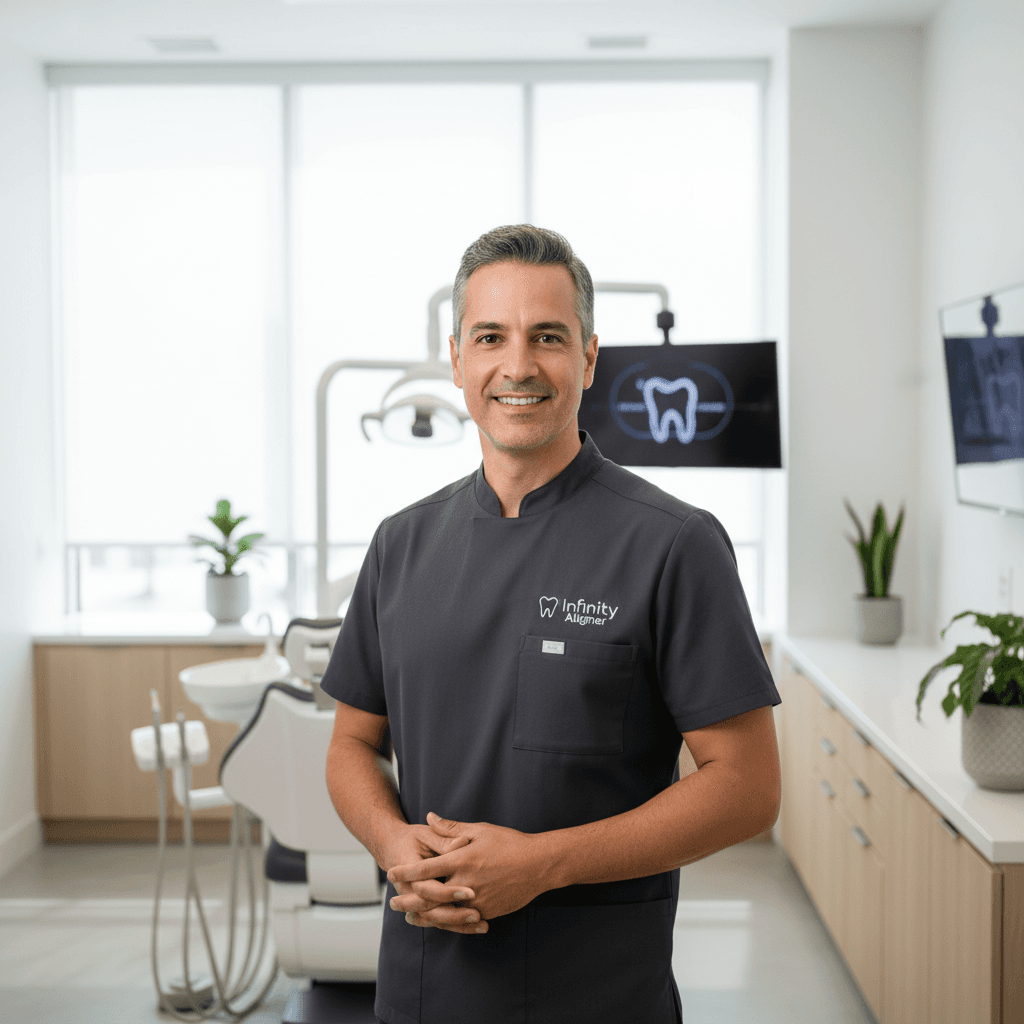
An Infinity Aligner certified provider in Oklahoma can evaluate your grinding habits and build a plan that protects your teeth during and after treatment.
Infinity Aligner OKC
Ready to get started?
Join 50+ certified providers across Oklahoma. Free certification, 10-day turnaround, dedicated clinical support.